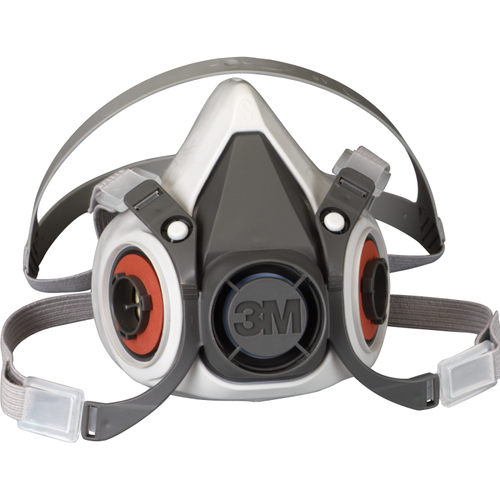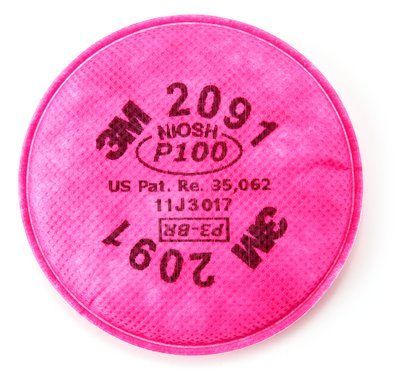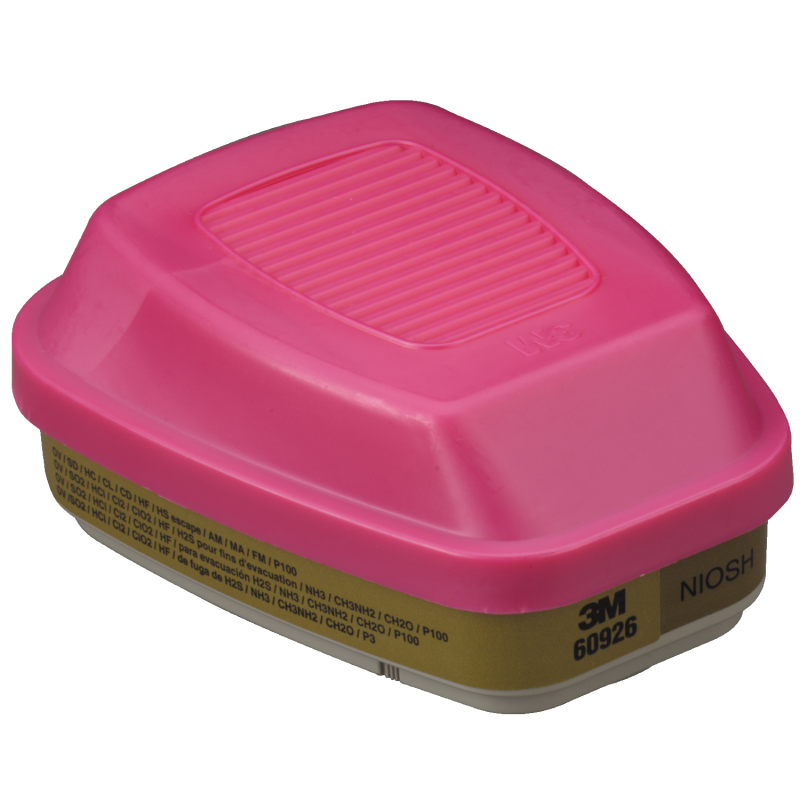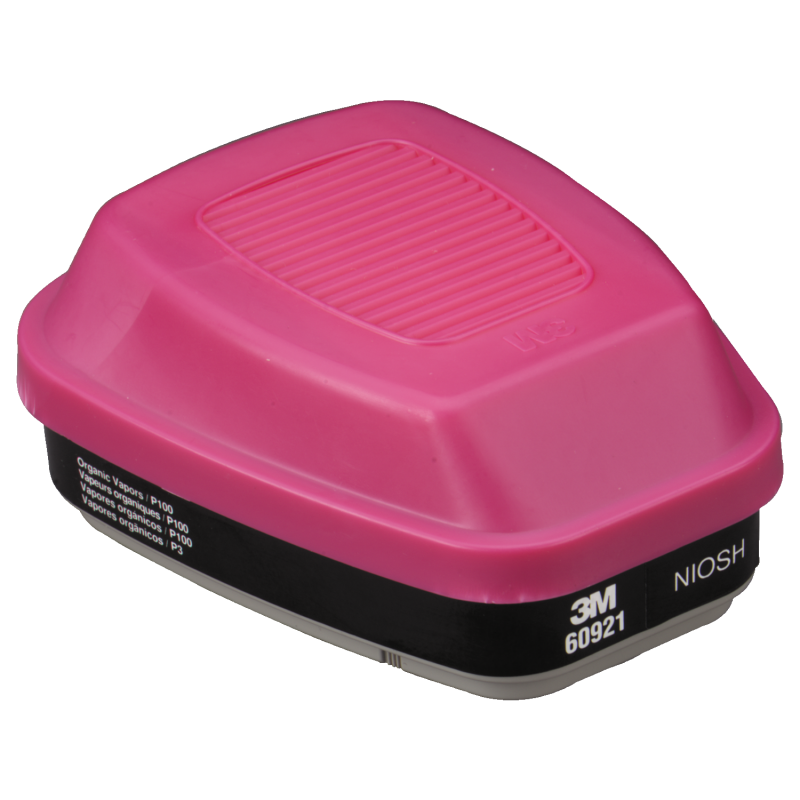

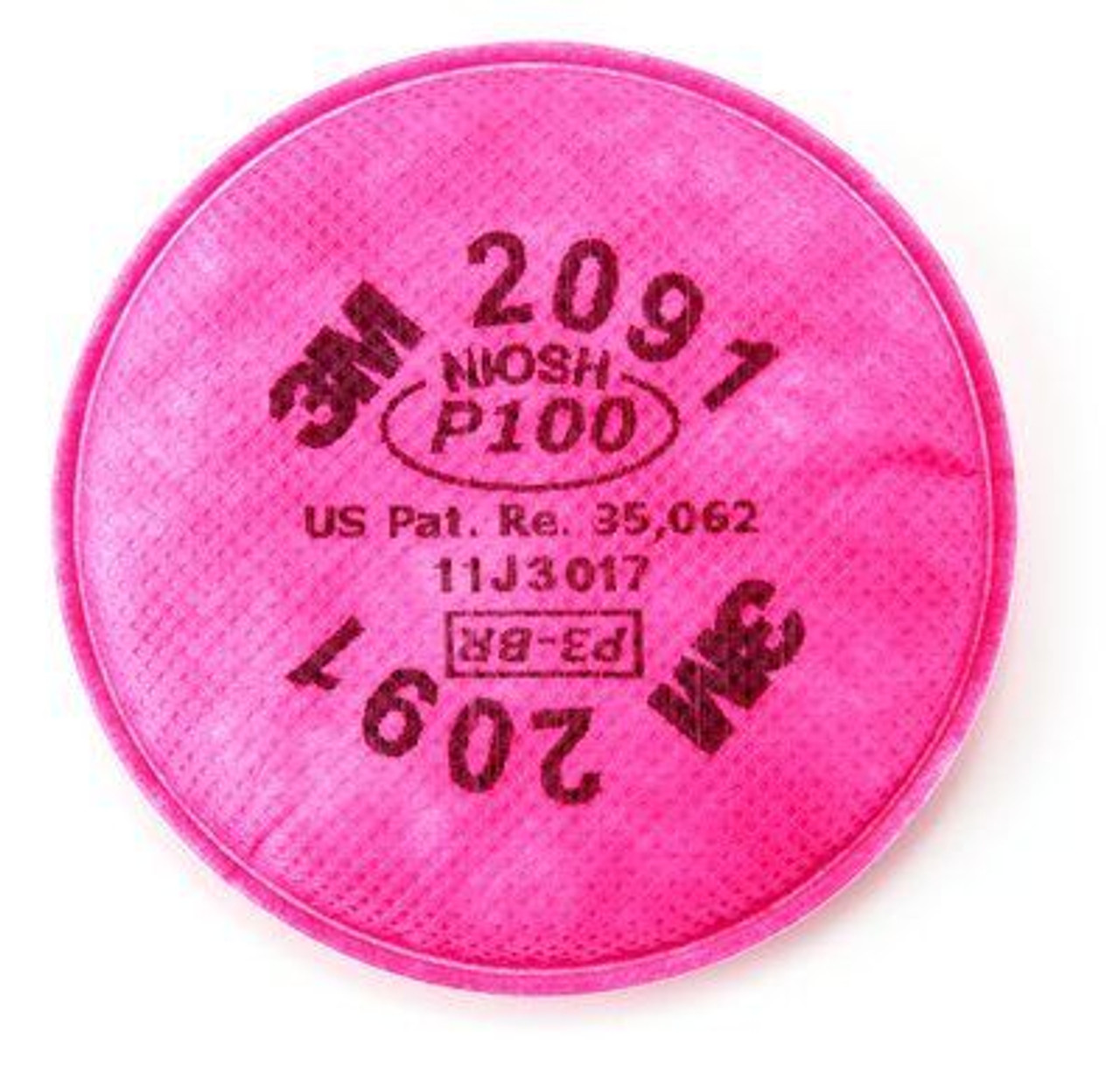


3M Particulate Filters: Filters only non-oil and oil aerosols (e.g., dust, mists, fumes, smoke, mold, bacteria, etc). Some filters also have nuisance level gas and vapor capabilities.
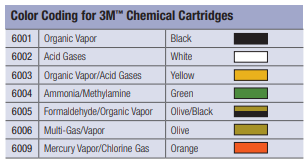
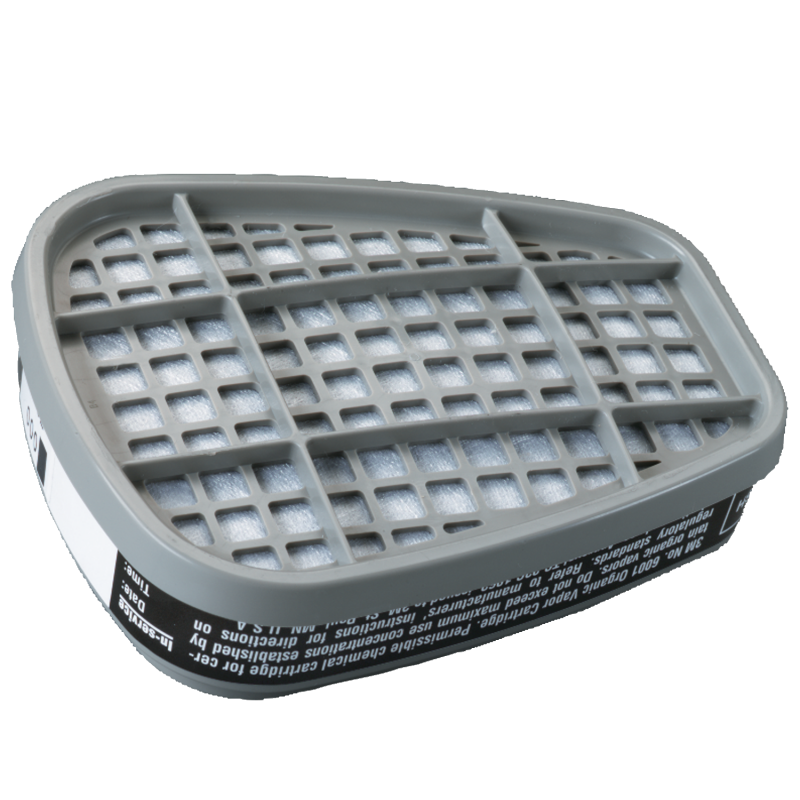
3M Gas & Vapor Cartridges: Filters only gases and vapors. There are different kinds of cartridges for different kinds of gases and vapors.
3M Combination Cartridge/Filters: Filters particles, gases and vapors. Different combination particulate/cartridge filters are used depending on the gas or vapor present in the air.
3M™ Particulate Filters
Filters capture particles through the mechanisms of impaction, interception and diffusion. Additionally these filters are enhanced with electrostatically charged fibers to trap particulates within the filter media. As particulate filters load up with the contaminant, they typically become more efficient, however, they also become harder to breathe through. NIOSH has nine classifications for particulate filters based on minimum filtration efficiency and the type of aerosol (non-oil or contains oil). The chart below shows the nine classifications.
3M™ Gas & Vapor Cartridges
These cartridges utilize sorbent material to absorb the gas or vapor molecules. Typically the sorbent is activated carbon. Different chemical treatments may also be added to the surface of the activated carbon to adsorb different types of gases or vapors. When the cartridges reach their capacity, the gases or vapors start to come through the cartridge to the user. This is called “breakthrough.” NIOSH uses a classification system to identify the different types of contaminants these treated carbon grains will capture.